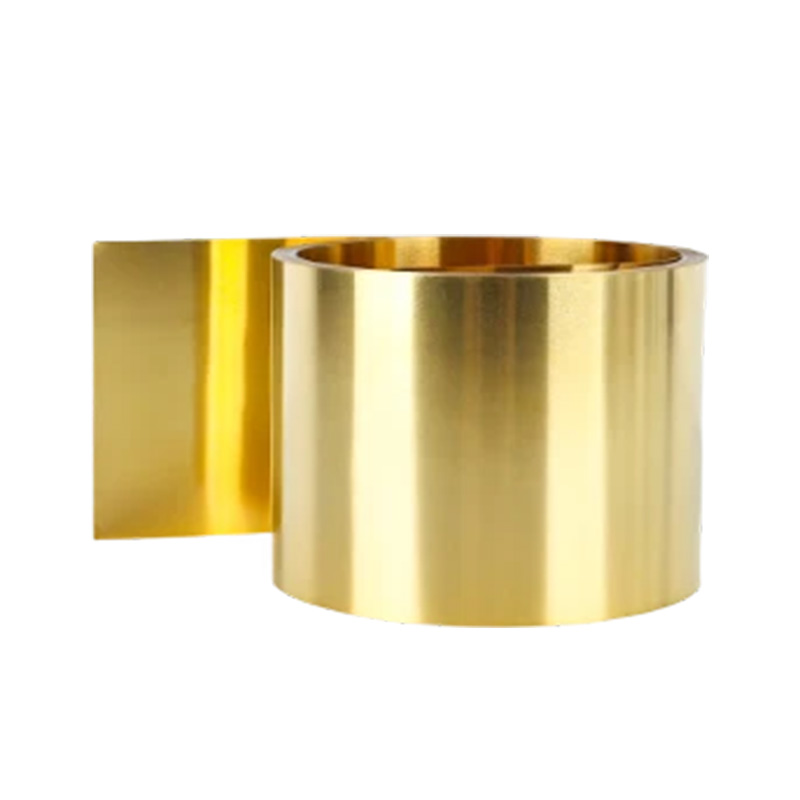

Phosphorus bronze, due to its excellent conductivity, elasticity, fatigue resistance, and corrosion resistance, is widely used in the manufacture of high-precision components such as electronic connectors, terminals, and springs.
Tinplate is widely used in food packaging, electronic components and precision instrument manufacturing due to its excellent corrosion resistance and weldability.
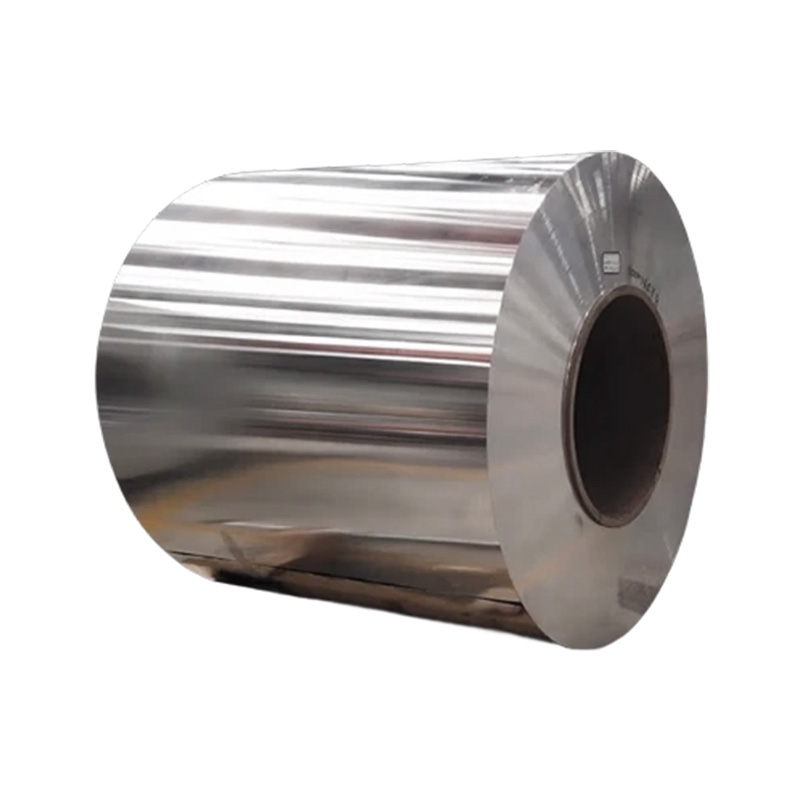
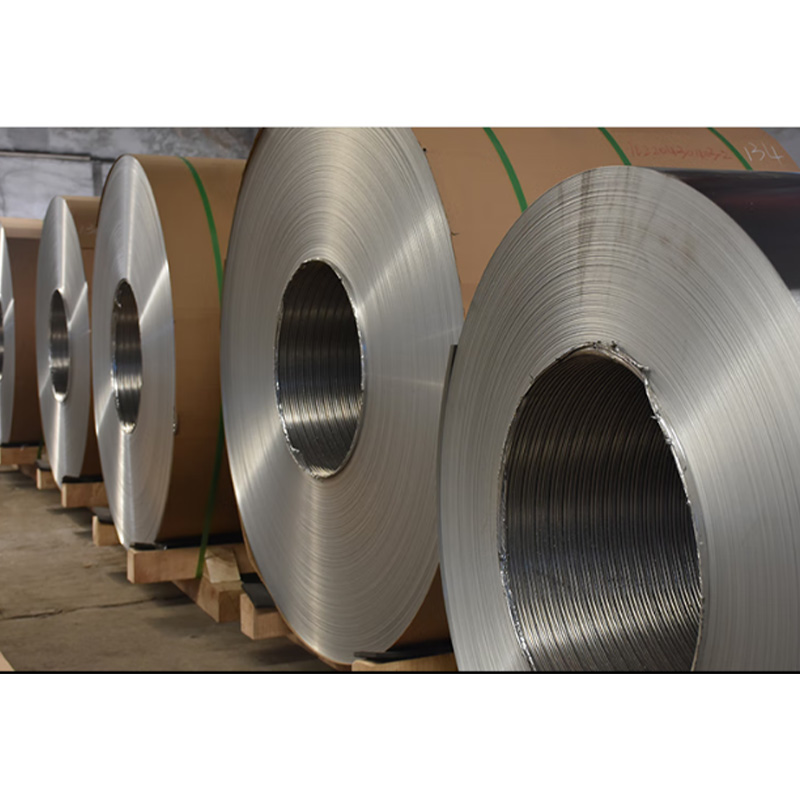
Among many metallic materials, aluminum, due to its unique chemical properties, exhibits reliable stability when facing corrosive environments such as humidity, salt spray, and industrial atmospheres.
Cyclic heat treatment is an emerging process that refines grains and improves overall performance through multiple heating-cooling cycles.
Under harsh conditions involving high temperature, high pressure, strong corrosion, and intense thermal cycling, ordinary metal materials often fail rapidly. However, nickel-nickel alloys (often simply referred to as nickel-nickel alloys) have become the
In modern electronic and electrical systems, connectors and terminals, though tiny, are the "critical hubs" for current and signal transmission.